Disclosure: As an Amazon Associate, I earn from qualifying purchases. This post contains affiliate links, meaning I may earn a small commission if you buy through them. I only share products our family has used or genuinely believes would be helpful. Thank you for supporting NDHS Life!
Challenges For You and Your Neurodivergent Child
If you grew up in the late ’80s or early ’90s, you’re probably like me—you weren’t really taught how to regulate your emotions. Now that I’m parenting a neurodivergent child, I’m realizing just how quickly my own nervous system can become overwhelmed and triggered. From clothing sensory meltdowns and battles over seatbelts to noise sensitivities, food challenges, therapy appointments, and homeschool routines, it can take a massive toll on the entire family. Most of my day is spent regulating her before navigating my own feelings.
Social Emotional Learning Together
Despite how challenging some days can be, I always make sure one topic never gets eliminated from our homeschool schedule—Social and Emotional Learning (SEL). I strive to ensure my daughter learns to manage her emotions, and I also greatly benefit from these lessons. To help teach her what I struggle with myself, I turn to our favorite social-emotional learning books- The WorryWoo series.
Homeschool SEL Curriculum
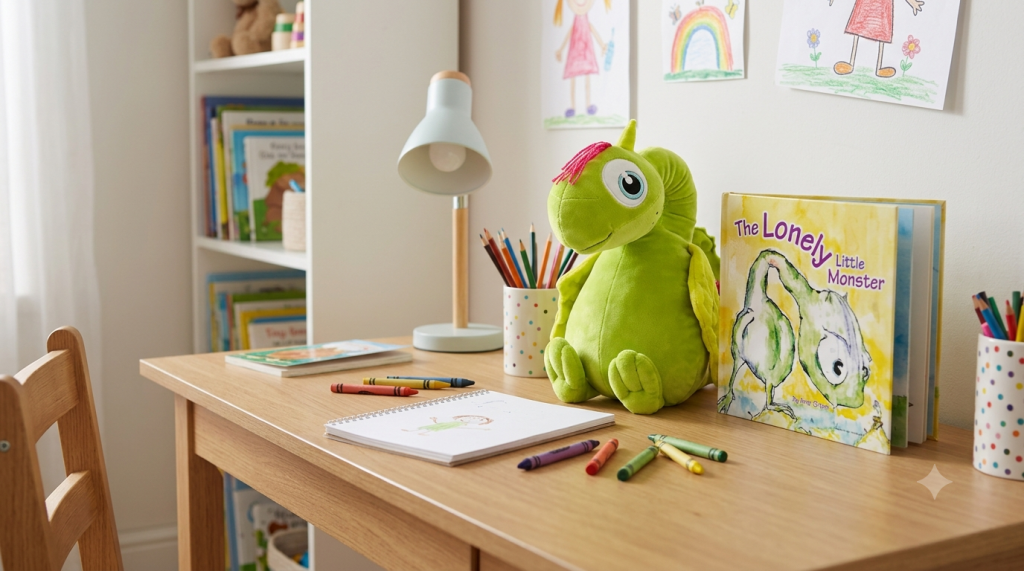
One day we stumbled upon The WorryWoos series when we found one of the books at the free little library in our neighborhood. This series has become our favorite resource for helping my daughter understand and navigate big emotions. All eight books in the series that have become essential in our curriculum. The topics they cover range from worrying, loneliness, frustration, self-acceptance, insecurity, decision-making, and envy. While we love and utilize all of these books, we have two favorites that we resonate with.
Feeding Your Worry Bug
One of the WorryWoos books (paid link) introduces readers to a monster named Wince who struggles with worrying. This book perfect for myself and my daughter since we both tend to overthink and worry a lot.
My daughter and I even talk about how I now take medicine for my worry bug because I fed my worry bug too much growing up. She and I both frequently call each other out when we’re feeding our worry bugs. Having a name for those anxious thoughts has made it much easier for both of us to recognize them before they spiral.
Frustration, Frustration, Frustration!
What child (and parent) doesn’t struggle with feelings of frustration multiple times throughout the day? My daughter and I have both enjoyed Twitch’s story on dealing with frustration (paid link) in the WorryWoos series.
Frustration is always an important topic for my daughter. She has definitely struggled with a lower frustration tolerance due to her apraxia, and this book has helped her better understand and work through her frustrations. Now, when she’s getting frustrated with something difficult, she’ll sometimes say, “My frustration monster is getting big.”
Activities for SEL Growth
The WorryWoos series also has an activity book of feelings (paid link). This is a fantastic workbook to incorporate into your lessons after reading one of the books. Pro tip— make a copy of the page you want your child to work on so you can use the book for a few years. There are also more downloads on the official WorryWoos website.
Bonding Over SEL Learning
While every neurodivergent child is different, these books have become one of our favorite tools for teaching emotional regulation in our homeschool. For my daughter, I strive for her to learn SEL tools early in life to build an emotionally resilient foundation. I know that by teaching her, I’m also learning myself, and together we’re getting better every day. We talk about the areas where we’re doing well and areas where we need more help. We are both thankful we stumbled across this series, and it’s been critical in our learning.
 Neurodivergent Homeschool Life
Leave a comment