Disclosure: As an Amazon Associate, I earn from qualifying purchases. This post contains affiliate links, meaning I may earn a small commission if you buy through them. I only share products our family has used or genuinely believes would be helpful. Thank you for supporting NDHS Life!
How We Turned Our Pets Into Homeschool Science Lessons
As an ADHD mom, I know that even though life can already feel completely chaotic, I somehow always find myself wanting to add one more thing. Lately, that “one more thing” has been pets. In the span of a year, we’ve adopted a cat, set up an aquarium for two African dwarf frogs, raised caterpillars into butterflies, welcomed a pet jumping spider, and created a habitat for a hermit crab. Sometimes when my husband walks through the door, he asks, “What do we have now?” This is where my love for animals and ADHD creates a perfect storm. However, with homeschooling, we can use it to our advantage. Taking care of a pet not only teaches responsibility, it taps into science as well. And nothing gives you a more hands-on experience than caring for the animals you’re learning about.
Our Cat: Learning About Health, Care, and Compassion
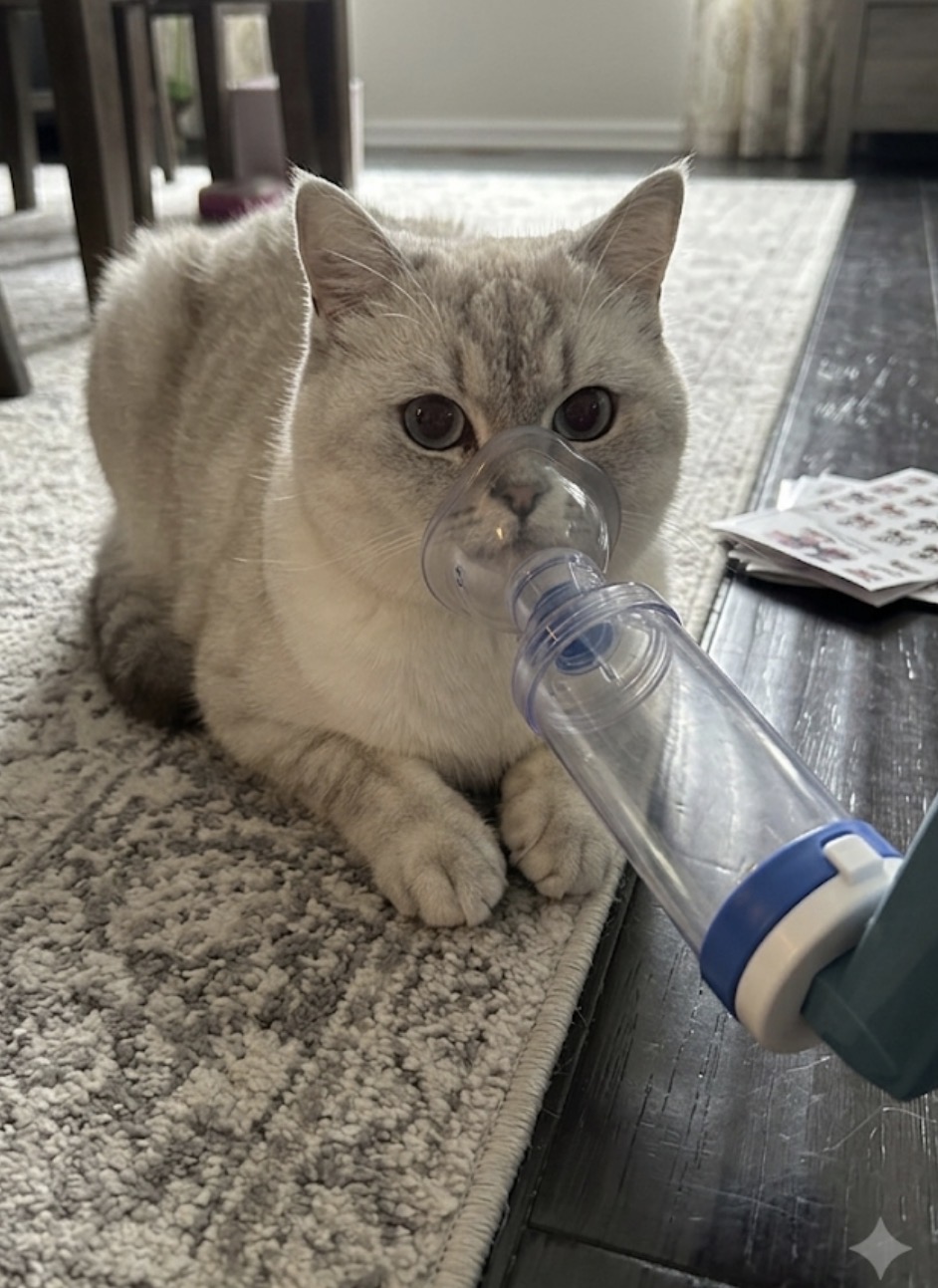
Our cat is an adopted street cat. He’s a beautiful cat with a wonderful temperament, but he’s been through a lot and he’s unfortunately riddled with health issues. Constant vet visits and medications not only have taught my daughter about responsibility and taking care of what we love, but she’s also learned a lot about science and biology as well. She has learned about asthma and how asthma affects your lungs. We’ve done examples where she has to hold her breath, run really fast, then unplug her nose and try to catch her breath. She realized how hard it must be for him to breathe on a daily basis. That’s compassion that you only learn through firsthand experience. She has helped a lot with his asthma inhaler, as well as some of his other medicines. She’s learning responsibility while learning about the body.
Our Frogs: Watching Metamorphosis Happen
Socks and Everest, our African dwarf frogs, have not only mated, but eggs successfully hatched into tadpoles, then becoming froglets, witnessing metamorphosis firsthand. When she saw two “sticks” poking out from the tadpoles body she yelled so loud that the frog had legs! We have used this to tie into the life cycle of a frog, and learning body parts of a frog as well. She learned about the importance of keeping tadpoles away from their parents so they don’t get eaten. She was excited to help set up the fry container (paid link) and get all tadpoles in there.
Our Hermit Crab: Learning About Animal Needs
With our hermit crab, Hermie, my daughter learned that hermit crabs need both fresh and salt water that they can safely climb in and out of. She did a great job picking out marbles to put in the bottom of their water bowl so he had something to grip onto. Much to her disappointment, she has learned that hermit crabs are nocturnal animals so she’s always disappointed when Hermie buries herself in the warm sand all day. She loves to interact with and name all of our pets, so she wishes she could see Hermie more.
Raising Butterflies: A Summer Science Project
One of my daughter’s favorite things to do in the summer is run around the garden chasing skipper butterflies. That gave me the idea to raise our own. My daughter was thrilled to get the hands-on experience she had been hoping for. Although she had to patiently wait about three weeks for the entire metamorphosis process, she was excited to wake up every morning to see if any of the caterpillars (paid link) had formed a chrysalis. For a child who loves immediate answers, waiting through the stages of metamorphosis was its own lesson in patience and observation.
Once they emerged as butterflies, she happily named every one, held them while feeding them fresh fruit, and then released them into the garden. Although she missed seeing them in their enclosure (paid link), she loved watching to see which ones would return to visit the garden. She still talks about them weeks later, even though we also learned that most butterflies only live for a few weeks. Raising butterflies has become one of our favorite late spring and early summer homeschool projects.
Our Jumping Spider: Learning Through Observation
Late last fall before a snowfall we found a medium sized jumping spider outside. We were able to build her a small enclosure (paid link) and give her a safe, warm place inside to ride out the winter. My daughter quickly named her Thunder, and loved helping take care of her. She learned the importance of misting her enclosure, learned all about fruit flies and feeding jumping spiders, and learned about the molting process. My daughter absolutely loved seeing Thunder come out after a molt and seeing what bright new colors she had. In the spring we let her back out into the garden to finish out her life outside, with freedom, plants and plenty of insects to eat.
The Best Classroom We Created
Looking back, every animal we’ve brought into our home has taught us something different. Our pets have helped my daughter learn responsibility, but they’ve also taught her compassion, patience, observation, and curiosity. Through caring for living creatures, science has become something she experiences instead of simply reading about. As a homeschooling family, I couldn’t ask for a better classroom than the one we’ve created together—even if it does leave my husband wondering what pet we’ll bring home next.

 Neurodivergent Homeschool Life
Leave a comment